Sandhya Bashyal
The Importance of Community Care in Everyday Life
- Community Care
- 19 November 2025
Community care is more than just providing support services—it is about creating a community where people look out for each other, feel safe, feel included, and have the chance to live meaningful and independent lives. Whether it’s helping an elderly neighbor with groceries or supporting someone with a disability to join activities, community care touches every part of life.
In today’s busy world, many people feel lonely, stressed, or disconnected. This is where community care becomes powerful. It brings people together, builds trust, and ensures that everyone has someone to rely on.
What Is Community Care?
Community care refers to the support and services people receive within their homes and local communities. These supports help individuals—especially elderly people, people with disabilities, and those with health challenges—live safely and independently.
It includes things like:
- Personal care
- Daily living supports
- Home cleaning and meal preparation
- Skill development
- Transport assistance
- Social and community activities
But beyond services, community care is also about kindness, connection, and belonging.
Why Is Community Care Important?
-
It Reduces Isolation and Loneliness
Many people, especially older adults and people with disabilities, spend long hours alone. Regular support visits, community programs, and group activities help people feel included and connected.
-
It Promotes Independence
Community care encourages people to learn skills and take charge of their own lives. Whether it’s budgeting, cooking, travel training, or personal growth, these supports build confidence.
-
It Improves Mental and Emotional Wellbeing
Human connection is essential for emotional health. Feeling supported by caregivers, family, and the local community reduces stress, anxiety, and negative thoughts
-
It Strengthens Family and Support Networks
Family members often become full-time carers. Community care provides essential relief and allows families to rest, work, and take care of themselves.
-
It Builds Stronger, Safer Communities
When people contribute to caring for each other, communities become more compassionate, safe, and united. Everyone benefits—support workers, families, neighbors, and local organizations.
Examples of Community Care in Daily Life
- Neighbors checking in on a senior living alone
- Support workers helping someone attend appointments
- A group centre activity that encourages social engagement
- Friends fundraising to help a family in need
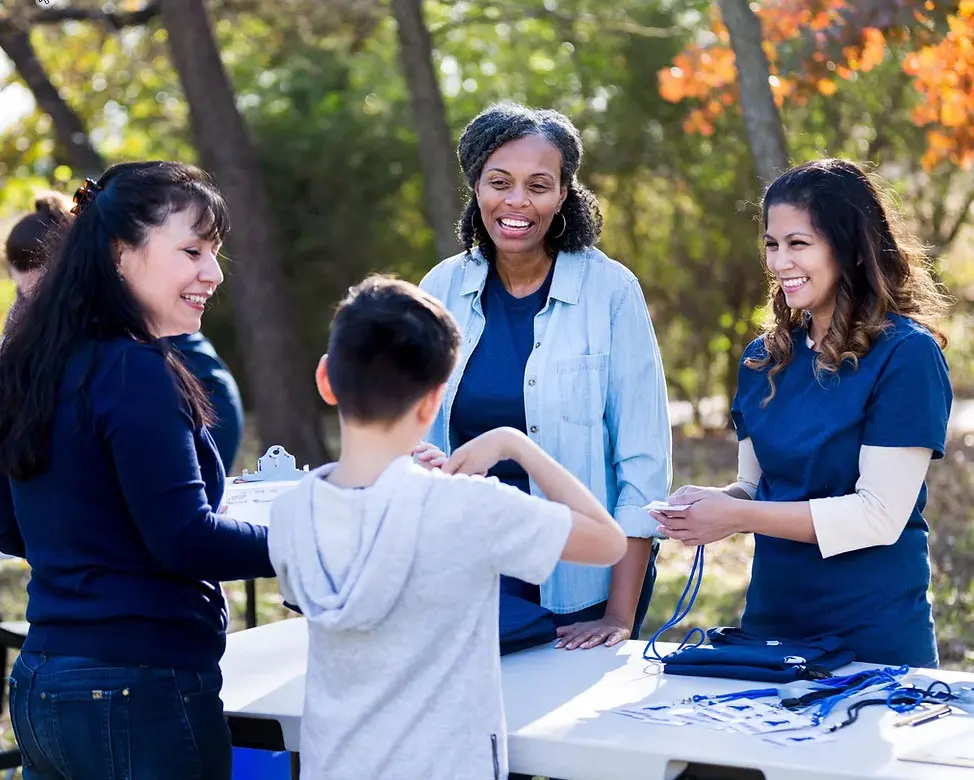
- Volunteers delivering meals or organizing community events
- Youth helping clean a local park or helping a person with limited mobility
Small acts of care can make a big difference.
The Role of Caregivers and Support Workers
Caregivers and support workers play a huge role in community care. They offer:
- Compassionate daily support
- Encouragement
- Safety and reassurance
- Skill development and motivation
Conclusion
Community care is essential in everyday life. It gives people the support they need to live independently, stay healthy, and feel connected. Whether through professional services or simple acts of kindness, community care shapes stronger and more inclusive communities.
When we care for those around us, we create a world where everyone has the chance to thrive.