
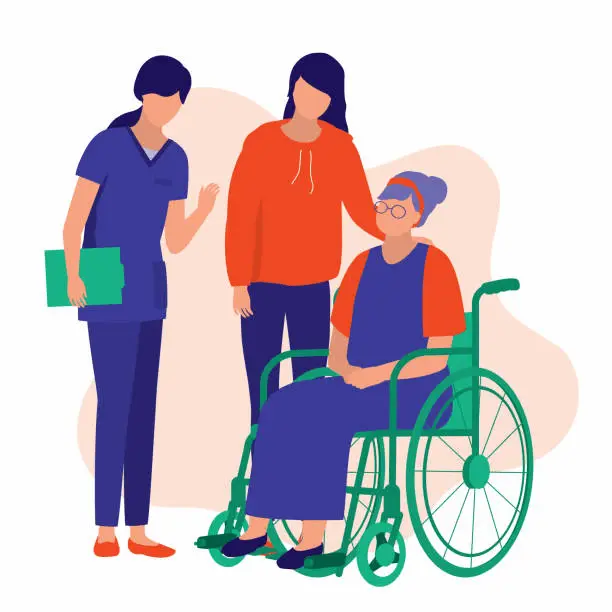

This support helps participants find and maintain safe, secure, and suitable housing. It includes help with tenancy agreements, applications, or understanding rental responsibilities.
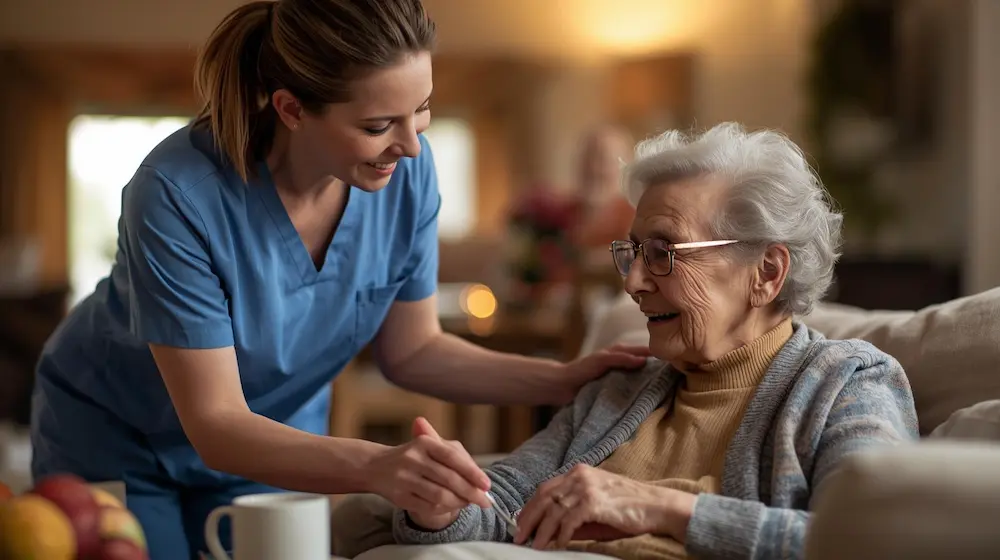
This provides support for people with high or complex needs who require more intensive help with daily personal tasks, such as personal hygiene, mobility, or medical assistance.

This support helps participants manage life changes, such as starting school, moving homes, or transitioning to more independent living. It includes mentoring, skill development, and planning.
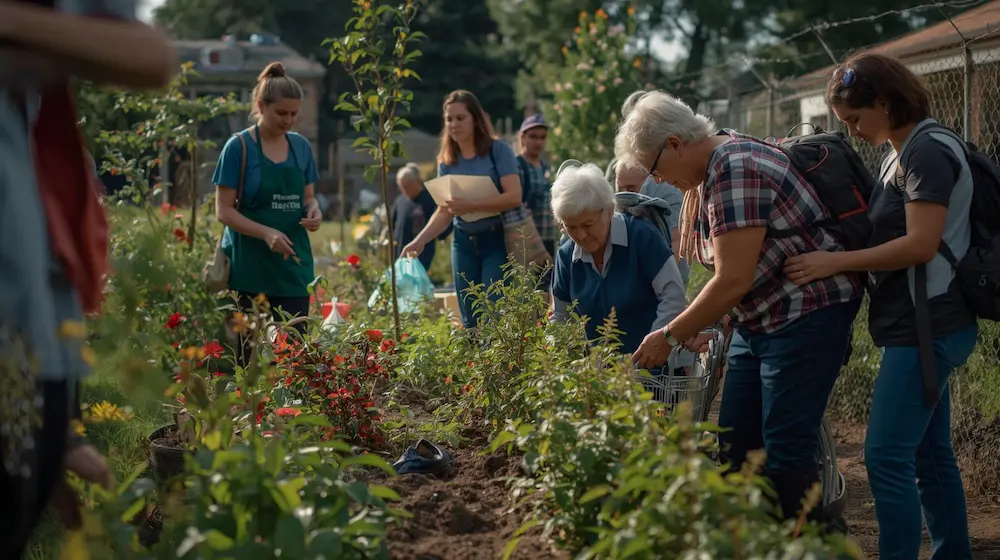
This covers assistance with everyday personal tasks, such as showering, dressing, eating, or household routines, so participants can live more independently.

This provides transport support for participants who cannot use public transport because of their disability. It helps them travel to work, school, appointments, or community activities.

This support helps participants develop independent living skills within shared or group living arrangements. It includes help with cooking, cleaning, and managing daily routines.

This encourages participants to engage in creative, social, and community-based activities that build confidence, independence, and social skills.

This support focuses on teaching practical life skills like budgeting, cooking, communication, and personal hygiene — helping participants become more self-reliant.
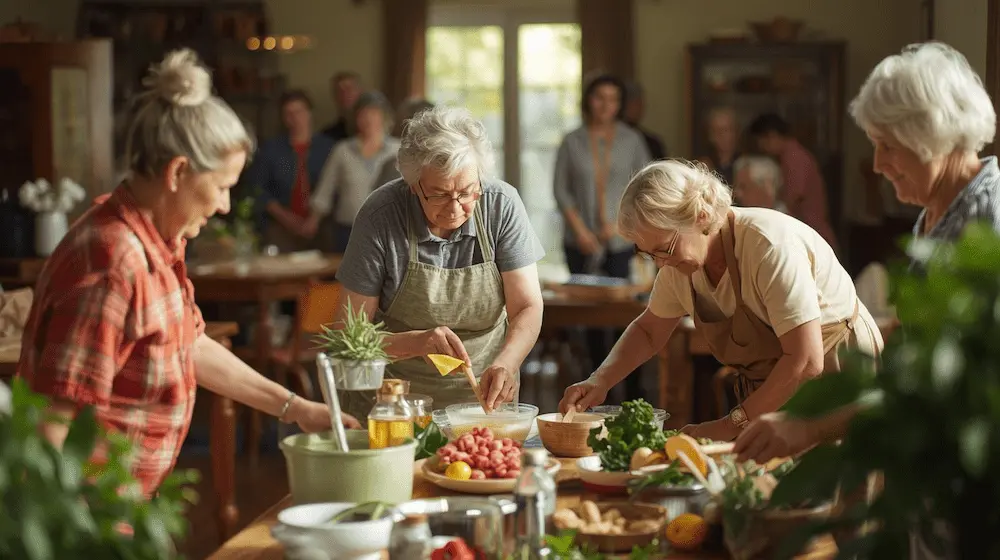
This includes help with essential domestic chores such as cleaning, laundry, meal preparation, and home maintenance — especially when the participant can’t do these safely on their own.

This support promotes social inclusion by helping participants join community, recreational, or educational activities — encouraging confidence and connection with others.
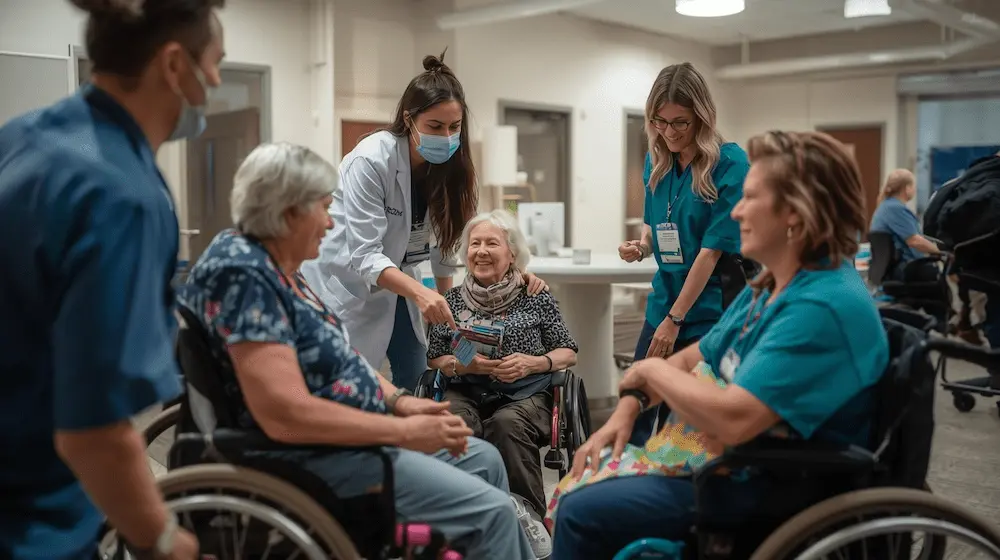
This support offers fun, social, and skill-building activities in a group or centre-based setting. Participants can join programs such as art, music, cooking, games, and community outings, helping them build confidence, make friends, and develop everyday skills in a supportive environment.